From Concept to Creation The Journey of Custom Manifolds
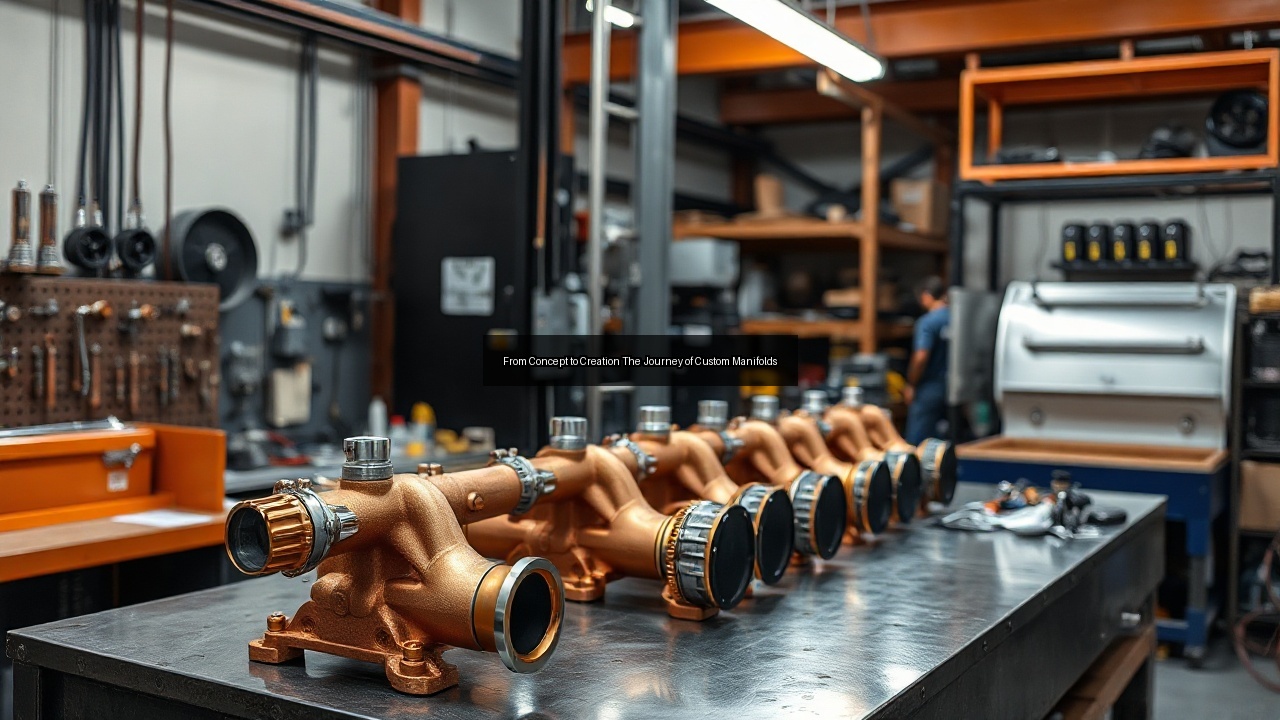
Understanding Custom Manifolds and Their Importance
Role of Custom Manifolds in Engineering
Custom manifolds serve as critical components in various engineering applications, effectively managing the flow of fluids and gases. Their primary function involves distributing and redirecting these substances within a system, ensuring optimal performance and efficiency. In hydraulic systems, for instance, custom manifolds house valves that control fluid movement, enabling precise actuation and response in machinery. This customization allows engineers to design manifolds tailored to specific requirements, enhancing reliability and functionality. The adaptability of custom manifolds in meeting unique engineering challenges underscores their importance, as they provide solutions that standard components simply cannot match.
Applications in Various Industries
Custom manifolds find applications in a myriad of industries, showcasing their versatility. In the oil and gas sector, they facilitate the safe and efficient transport of fluids through complex pipelines. In agriculture, custom manifolds streamline irrigation systems, optimizing water distribution to enhance crop yields. The automotive industry relies on custom exhaust manifolds to improve engine efficiency and reduce emissions, while construction and mining sectors utilize them in hydraulic systems for heavy machinery. The broad range of applications across different sectors highlights the integral role that custom manifolds play in modern engineering, ensuring that they meet the specific demands of each industry.
Benefits of Custom Manifold Design
Designing custom manifolds offers numerous advantages that enhance both performance and efficiency. Customization allows engineers to optimize flow paths, reducing turbulence and pressure drops, which leads to improved fluid dynamics. Additionally, custom manifolds can be designed to accommodate specific spatial constraints, ensuring seamless integration into existing systems. This tailored approach not only increases system efficiency but also reduces the potential for leaks and failures. Furthermore, custom designs enable manufacturers to utilize materials such as steel, stainless steel, or aluminum, selected based on the application's demands for strength, durability, and thermal management. The benefits of custom manifold design clearly demonstrate its value in enhancing system performance across various engineering applications.
The Design Process of Custom Manifolds
Initial Conceptualization and Requirement Gathering
The journey of creating a custom manifold begins with thorough conceptualization and requirement gathering. Engineers and designers collaborate to define the specific needs of the project, including flow rates, pressure parameters, and spatial constraints. This initial phase involves extensive communication with stakeholders to understand the application and any unique challenges it presents. By pinpointing these requirements early in the process, teams can establish a clear direction for the design, ensuring that all factors are considered. This meticulous attention to detail custom manifolds design lays the groundwork for a successful project, where the final product meets or exceeds the expectations of its intended use.
Utilizing Software for 3D Modeling
Advancements in technology have revolutionized the design process of custom manifolds through the use of sophisticated software for 3D modeling. Engineers leverage these tools to create detailed, accurate representations of the manifold, allowing for precise visualization of fluid flow and component placement. This proactive approach enables the identification of potential design flaws before physical production begins, saving time and resources. Additionally, 3D modeling allows for easy modifications and iterations, ensuring that the final design aligns with the project requirements. By utilizing software in the design phase, companies can enhance their efficiency, reduce errors, and ultimately produce higher-quality custom manifolds.
Collaboration Between Engineers and Designers
Effective collaboration between engineers and designers is crucial in the custom manifold design process. This teamwork fosters a multidisciplinary approach, combining technical expertise with creative problem-solving. Engineers provide insights into the functional aspects of the manifold, while designers focus on aesthetics and manufacturability. Regular meetings and brainstorming sessions ensure that both parties remain aligned throughout the project. This synergy not only enhances the design quality but also accelerates the development timeline, allowing for quicker transitions from concept to production. A cohesive team can address challenges more effectively, resulting in innovative custom manifolds that fulfill specific operational requirements.
Manufacturing Custom Manifolds: From Prototype to Production
Materials Used: Steel, Stainless Steel, and Aluminum
Choosing the right materials is essential for the manufacturing of custom manifolds, as they directly impact performance and durability. Steel is often selected for its strength and cost-effectiveness, making it suitable for high-pressure applications. Stainless steel, known for its resistance to corrosion and high temperatures, is ideal for environments where fluid integrity is paramount, such as in oil and gas applications. Aluminum presents a lightweight option for applications that require reduced weight without sacrificing strength, often utilized in automotive exhaust manifolds. By carefully selecting materials, manufacturers can ensure that the custom manifolds meet the specific needs of each application, enhancing longevity and performance.
Fabrication Techniques for Optimal Performance
The fabrication of custom manifolds employs various techniques tailored to achieve optimal performance. Techniques such as CNC machining and welding are common in the production process, allowing for precise shaping and joining of materials. CNC machining enables the creation of complex geometries with high accuracy, essential for ensuring that manifolds fit seamlessly into their intended systems. Welding techniques, including MIG and TIG, provide strong, durable joints capable of withstanding high pressures. Additionally, processes like hydroforming can create intricate shapes while maintaining structural integrity. These advanced fabrication methods contribute to the overall quality and reliability of custom manifolds, ensuring they perform effectively under demanding conditions.
Quality Control and Testing Methods
Quality control is a critical component of custom manifold manufacturing, ensuring that each unit meets stringent performance standards. Rigorous testing methods, such as pressure testing and flow rate analysis, help identify any defects before the manifold is deployed. Pressure testing evaluates the integrity of the manifold under simulated operating conditions, while flow rate tests confirm that the design facilitates the desired fluid dynamics. Visual inspections and dimensional checks further ensure that the manifold adheres to specified tolerances. By implementing comprehensive quality control measures, manufacturers custom manifolds design can guarantee the reliability and longevity of custom manifolds, providing clients with confidence in their performance.
Applications Across Industries: A Closer Look
Hydraulics and Fluid Power Systems
Custom manifolds play a pivotal role in hydraulics and fluid power systems, acting as the backbone for various machinery and equipment. These manifolds efficiently manage the flow of hydraulic fluids, controlling the operation of components such as pumps, motors, and actuators. By integrating multiple valves and connections within a single unit, custom manifolds reduce the complexity of hydraulic systems, minimizing potential leak points. This streamlined approach not only enhances performance but also simplifies maintenance. Industries such as construction, agriculture, and mining rely on these systems for heavy machinery, making custom manifolds indispensable for ensuring that operations run smoothly and efficiently.
Mining and Construction Applications
In mining and construction, custom manifolds are essential for powering hydraulic systems that operate heavy equipment. These robust manifolds must withstand harsh environments and high-pressure conditions, making durable materials like steel or stainless steel crucial. Custom designs allow for the integration of multiple hydraulic functions, such as powering drills, excavators, and loaders, all from a single manifold. This functionality reduces system complexity and enhances operational efficiency. Furthermore, by optimizing fluid flow and minimizing pressure drops, custom manifolds contribute to lower energy consumption, which is a significant consideration in these energy-intensive industries.
Custom Exhaust Manifolds in Automotive Engineering
In the automotive sector, custom exhaust manifolds are tailored to enhance engine performance and reduce emissions. These manifolds collect exhaust gases from multiple cylinders and direct them to the exhaust system, requiring precise design to optimize gas flow and minimize backpressure. Custom exhaust manifolds can improve engine efficiency and throttle response, resulting in better fuel economy and performance. They also allow for the integration of advanced thermal management features, which help maintain optimal engine temperatures. By leveraging custom designs, automotive engineers can create exhaust systems that not only meet regulatory standards but also enhance the overall driving experience.
See Also
- A Beginner's Guide to Custom Manifold Manufacturing Processes
- The Advantages of Using Custom Manifolds in Diverse Applications
- Transforming Forestry Operations with Custom Hydraulic Manifolds
- Ball Valves and Custom Manifolds The Perfect Pairing for Fluid Control
- Custom Manifolds The Unsung Heroes of Efficient Engineering